The Library of Civilisation
Every civilisation's foundational texts, indexed in one place — from the Epic of Gilgamesh to the Universal Declaration, in the languages they were written.
2091 texts held in public trust
The Rooms
African
From the Pyramid Texts of Egypt to the modern African voice.
Being accessionedMesopotamia & the Ancient Near East
The first cities and their tablets — law, lament, and the Flood.
Being accessionedIndian
Veda, epic, and the schools of liberation.
1568 texts →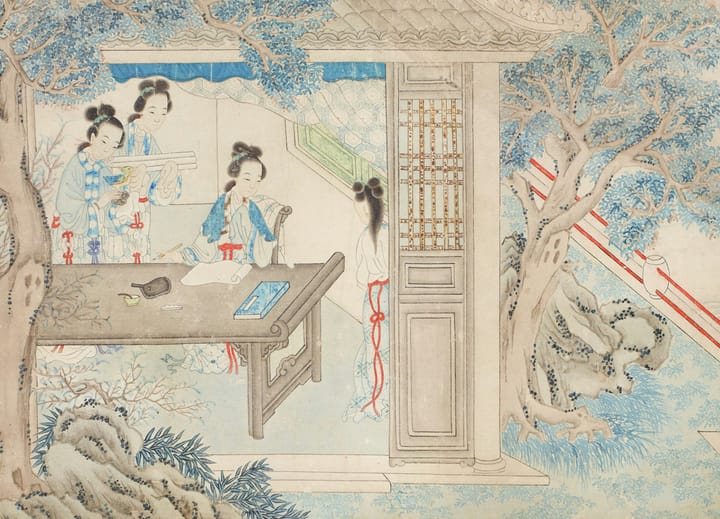
Chinese
The classics of ritual, change, and the Way.
1 text →Persian & Iranian
Zoroaster's hymns, the Book of Kings, and the letters of the Persianate world.
Being accessionedGreco-Roman
Epic, tragedy, and the examined life.
Being accessioned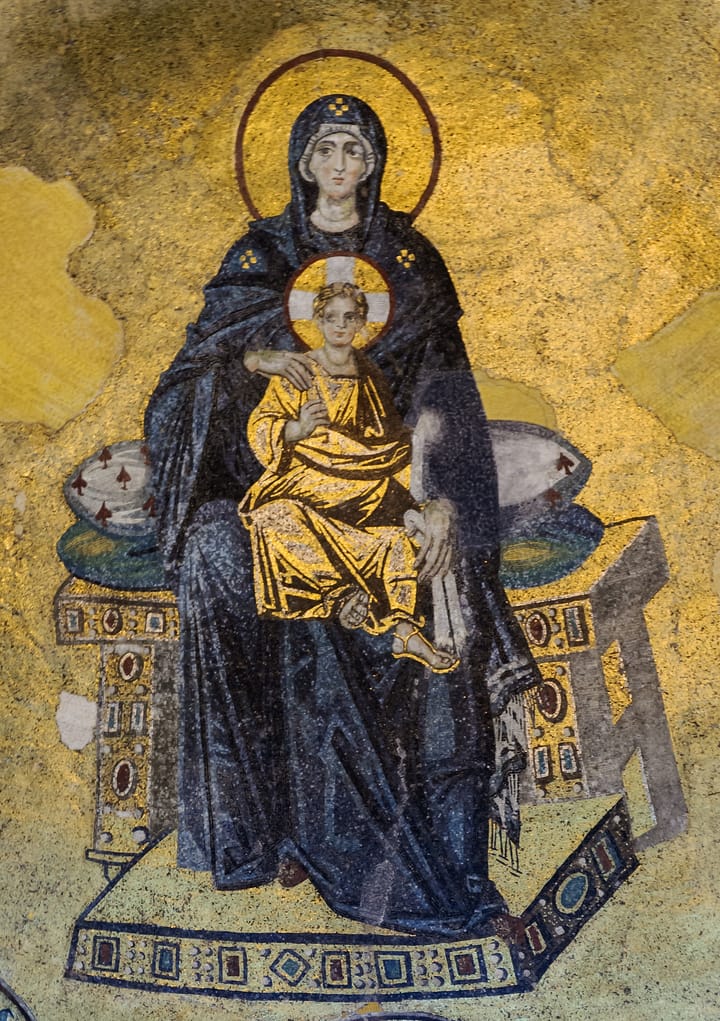
Byzantine & Orthodox
Patristics, Justinian's law, and the Orthodox inheritance of Rome.
1 text →Southeast Asian
Angkor and Borobudur; the court, the canon, and the chronicle.
Being accessioned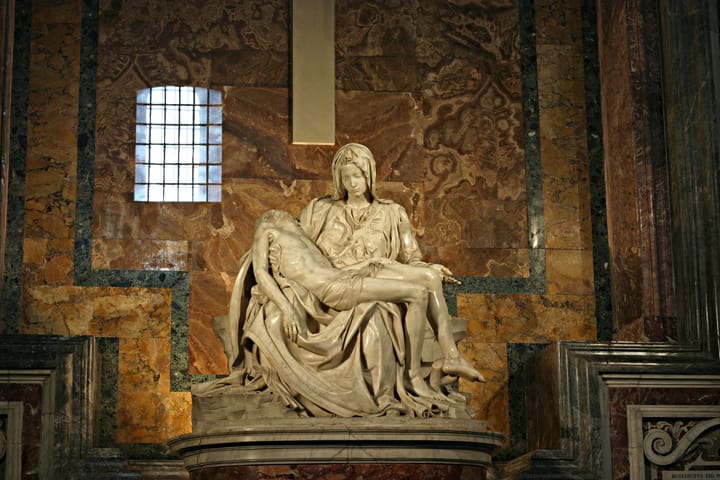
Western Christendom
Scripture, the Church Fathers, monastic learning, and the scholastic synthesis of the Latin West.
521 texts →Central Asian & Steppe
The Orkhon stones, the Secret History, and the law of the steppe.
Being accessionedIslamic World
Revelation, philosophy, and the sciences of the age.
Being accessionedJapanese
Chronicle, court, and the way of the sword.
Being accessionedModern & Global
The shared inheritance: science, rights, and the world text.
Being accessionedIndigenous Americas
Codices, chronicles, and the word before conquest.
Being accessionedTraditions
Compendia
By medium
Latest additions
On the Religious State
CatholicismScholasticismChristianityWestern ChristendomOn Prayer and the Contemplative LifeThomas AquinasHugh PopeScholasticMedievalEnglishTextLibrary
Hugh Pope's translation of Summa II-II Q.186 — On the Religious State (0 Articles).
CatholicismScholasticismChristianityWestern ChristendomOn Prayer and the Contemplative LifeThomas AquinasHugh PopeScholasticMedievalEnglishTextLibrary
Of the Comparison Between the Active and the Contemplative Life
CatholicismScholasticismChristianityWestern ChristendomOn Prayer and the Contemplative LifeThomas AquinasHugh PopeScholasticMedievalEnglishTextLibrary
Hugh Pope's translation of Summa II-II Q.182 — Of the Comparison Between the Active and the Contemplative Life (4 Articles).
CatholicismScholasticismChristianityWestern ChristendomOn Prayer and the Contemplative LifeThomas AquinasHugh PopeScholasticMedievalEnglishTextLibrary
Of the Active Life
CatholicismScholasticismChristianityWestern ChristendomOn Prayer and the Contemplative LifeThomas AquinasHugh PopeScholasticMedievalEnglishTextLibrary
Hugh Pope's translation of Summa II-II Q.181 — Of the Active Life (4 Articles).
CatholicismScholasticismChristianityWestern ChristendomOn Prayer and the Contemplative LifeThomas AquinasHugh PopeScholasticMedievalEnglishTextLibrary
Of the Contemplative Life
CatholicismScholasticismChristianityWestern ChristendomOn Prayer and the Contemplative LifeThomas AquinasHugh PopeScholasticMedievalEnglishTextLibrary
Hugh Pope's translation of Summa II-II Q.180 — Of the Contemplative Life (8 Articles).
CatholicismScholasticismChristianityWestern ChristendomOn Prayer and the Contemplative LifeThomas AquinasHugh PopeScholasticMedievalEnglishTextLibrary
Of the Division of Life into the Active and the Contemplative
CatholicismScholasticismChristianityWestern ChristendomOn Prayer and the Contemplative LifeThomas AquinasHugh PopeScholasticMedievalEnglishTextLibrary
Hugh Pope's translation of Summa II-II Q.179 — Of the Division of Life into the Active and the Contemplative (2 Articles).
CatholicismScholasticismChristianityWestern ChristendomOn Prayer and the Contemplative LifeThomas AquinasHugh PopeScholasticMedievalEnglishTextLibrary
Of the Prayers of the Saints Who are in Heaven
CatholicismScholasticismChristianityWestern ChristendomOn Prayer and the Contemplative LifeThomas AquinasHugh PopeScholasticMedievalEnglishTextLibrary
Hugh Pope's translation of Summa Suppl. Q.72 — Of the Prayers of the Saints Who are in Heaven (3 Articles).
CatholicismScholasticismChristianityWestern ChristendomOn Prayer and the Contemplative LifeThomas AquinasHugh PopeScholasticMedievalEnglishTextLibrary
On the Library
“A library is a promise that what was thought can be thought again — in every language it was thought in.”
Provenance
Every text names its edition, translator, and upstream source. Nothing is anonymous; nothing is unattributed.
Plurality
Every civilisation is held as first-class, in the languages its texts were written.
Longevity
Every record is kept in open, exportable form and points to a durable public-domain edition upstream, so the catalogue can be re-homed and outlive any single host.
Austerity
Typography carries the hierarchy. Surfaces stay quiet. Motion orients, never entertains.