Text
Written text — scripture, discourse, verse, and treatise.
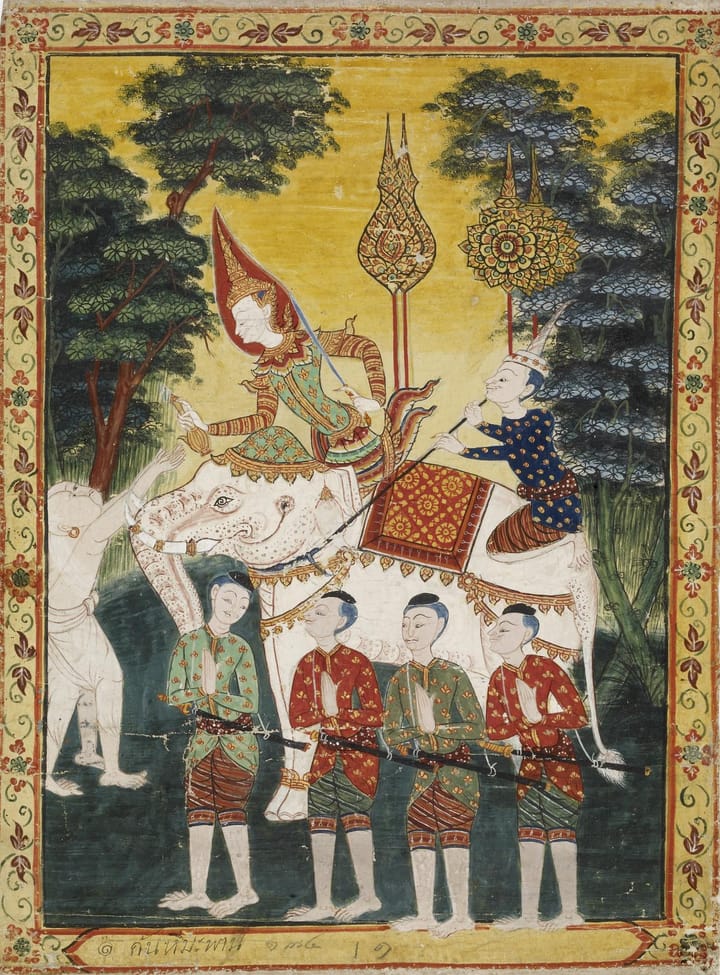
Introduction — Itivuttaka
An introduction to the Itivuttaka, by Ṭhānissaro Bhikkhu.
SN 1:1 · Crossing over the Flood (Ogha-taraṇa Sutta)
Saṁyutta Nikāya · SN 1:1. Translated by Ṭhānissaro Bhikkhu.
Introduction — Khuddakapāṭha
An introduction to the Khuddakapāṭha, by Ṭhānissaro Bhikkhu.
Thig 1:1 · An Anonymous Nun
Therīgāthā · Thig 1:1. Translated by Ṭhānissaro Bhikkhu.
Introduction — Theragāthā
An introduction to the Theragāthā, by Ṭhānissaro Bhikkhu.
Introduction — Sutta Nipāta
An introduction to the Sutta Nipāta, by Ṭhānissaro Bhikkhu.
Introduction — Udāna
An introduction to the Udāna, by Ṭhānissaro Bhikkhu.
Introduction — Dhammapada
Thanissaro Bhikkhu's introduction situating the Dhammapada within both the literary tradition of kavya and the early Buddhist path of practice.
MN 1 · The Root Sequence (Mūlapariyāya Sutta)
Warns against the conceit of positing an underlying ground of all phenomena, contrasting ordinary conceiving with an arahant's freedom from it.
DN 01 · The Brahmā Net (Brahmajāla Sutta)
Catalogs and refutes the sixty-two speculative views about self, world, and eternity held by contemplatives of the Buddha's day.
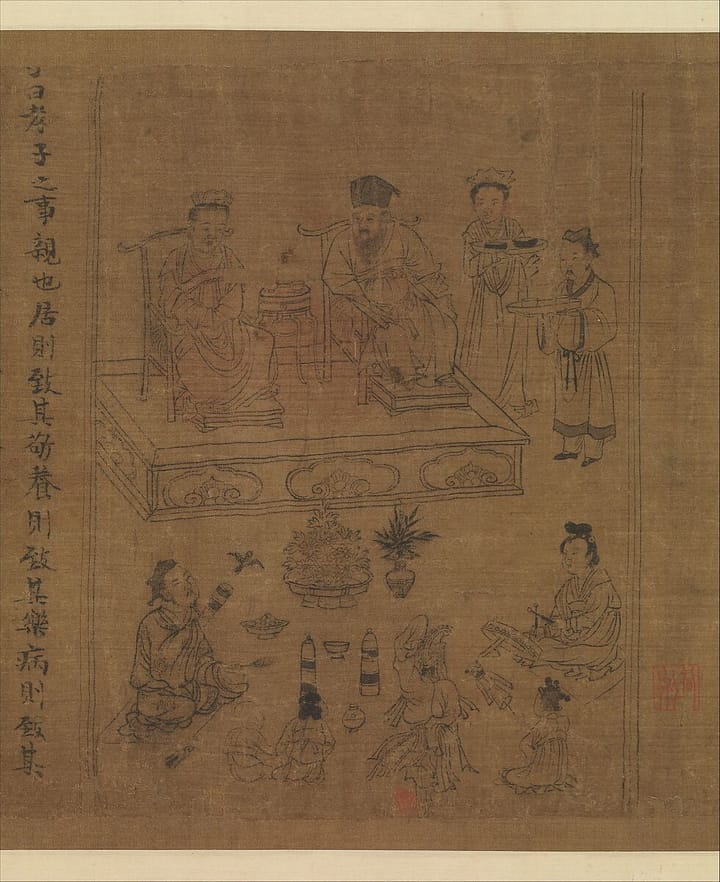
The Classic of Filial Piety (孝經 Xiao Jing) (trans. James Legge)
The Classic of Filial Piety (孝經 Xiao Jing) is one of the Confucian classics. In Xiao Jing, Confucius discusses with his disciple, Zengzi, filial piety as the source of nascent virtue.